Man With A Van in Brook Green

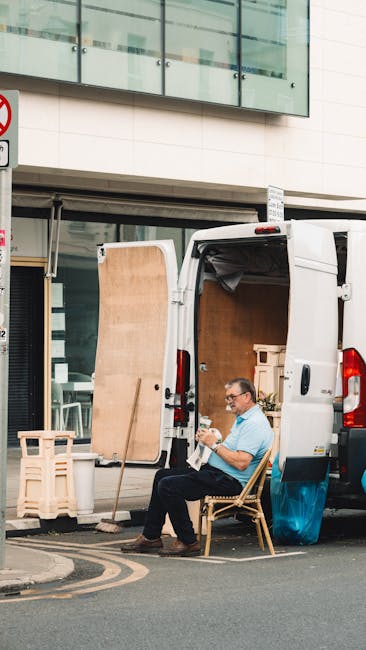
Reliable man with a van in Brook Green support is a practical way to move household items, single pieces of furniture, and smaller loads without booking a larger removal vehicle than you need. We help customers arrange straightforward transport for everyday moves, awkward items and mixed loads that benefit from careful handling, sensible loading and a vehicle suited to the job. The service is designed to keep the process clear: you explain what needs moving, we look at the scope, and you can request a quotation based on the work required.
Our work can suit a flat move, a room move, a furniture collection or a general pick-up where items need to be carried safely and delivered in order. For people comparing options, the man and van service can be a good fit when you want help with transport as well as lifting. It is not only about having a van available; it is also about planning the right vehicle space, protecting items during loading, and making sure the journey is organised around what you are actually moving.
If you already know your moving date, the items involved and the delivery location, you can request a quotation and ask for the best way to approach the job. A brief description of the load is usually enough to begin, whether it involves furniture, bagged belongings, boxed household goods or a mix of items that need a practical collection and delivery service.
Household moves and smaller removals
For customers who do not need a full-scale removal lorry, our household moving work offers a more flexible way to move selected belongings or complete smaller home loads. That may include moving from a studio, a shared property, a top-floor flat or a home where only certain rooms are being cleared. The focus is on a manageable service that still treats the goods carefully, especially where items need lifting through narrow hallways, stairwells or communal entrances.
We can also help with planned transfers of furniture between addresses, such as beds, wardrobes, tables, chairs, sofas and white goods, provided they are ready to be moved safely. Where it helps to compare related options, the home moves page gives a useful view of broader residential moving support, while the house removals page is relevant when a more complete domestic move is being considered. Each job is still assessed on its own size and access needs rather than on a fixed template.
To prepare an enquiry, it helps to note what is being moved, whether any items are especially heavy or delicate, and whether collection and delivery points have stairs, lifts or loading restrictions. Clear details make it easier to match the vehicle and the amount of handling required. If you are comparing dates or routes, you can speak about the practical side of the move first and decide whether the work is best handled as a simple item transfer or as a broader household removal.
Furniture pick-up and item transport

Furniture pick-up jobs are often the simplest way to use a van-based moving service when the task is focused on one or several items rather than an entire property. That can include purchases from private sellers, relocated office pieces, inherited furniture, or items that need moving from storage, a ground-floor property or a workshop. The aim is to load each item securely, keep it protected during transport and deliver it in the same condition whenever possible.
If your job is mainly about collecting a piece or two, the furniture pick-up page is the most relevant place to look at that type of work in more detail. For broader domestic or mixed-load moving, the man and van removals page reflects the kind of service that combines light removal work with van transport. Either way, the key point is to choose a service that suits the actual volume, shape and weight of the items involved.
Useful information for this sort of job includes the approximate dimensions of the furniture, whether it can be dismantled, and whether there are any access issues at either end. A good quotation normally depends on the balance between size, distance and handling time. If you are planning to move several pieces together, it can be sensible to list them in one message so the collection can be arranged efficiently.
Packing support and careful loading
Some moves are easier when the loading itself is organised properly before anything is placed in the van. Where requested and appropriate, packing and unpacking support can help protect smaller goods, reduce breakages and speed up the handover at each end. This is especially useful for loose household items, kitchen contents, books, ornaments and other belongings that benefit from being boxed in a sensible order rather than carried individually.
The packing and unpacking services page is relevant if you want to understand how that work sits alongside transport. Careful loading matters as much as the packing itself: heavier items should be positioned to stay stable, softer items should not be crushed, and fragile goods should be kept away from pressure points. The result is a more practical move and a cleaner unloading sequence at the destination.
When asking for a quotation, it helps to say whether items are already packed, whether boxes need to be supplied by the customer, and whether any furniture needs partial dismantling before loading. You do not need to prepare a perfect inventory, but a straightforward list of rooms, items or box counts will help define the work more accurately. That is often enough to decide whether the job is best handled as a basic collection or a fuller moving arrangement.
Commercial and office moving tasks
Van-based removals are not limited to homes. Small business moves, file transfers, furniture relocation and general workplace transport can also be organised in a practical way when the load is not large enough to justify a major commercial removal operation. Typical items might include desks, chairs, storage units, archive boxes, reception furniture or light equipment that needs moving between offices, storage locations or business premises.
For that kind of work, the office relocation services page is the clearest match for a planned workplace move, while the commercial moves page suits a wider range of business transport tasks. The emphasis is usually on keeping items in order, preventing mix-ups and making sure the collection and delivery sequence fits the business timetable as well as the building access arrangements.
Before you ask for a quote, it is helpful to know whether the move is one vehicle journey or several, whether stairs or loading bays are involved, and whether the business has any time restrictions for loading or arrival. Even a modest office move can benefit from clear planning because office furniture and records often need to be unloaded in a specific order. A well-described job can then be priced more reliably and carried out with less disruption.
Delivery, access and journey planning

Many customers want a van service that focuses on the movement itself, not a complicated package of extras. That means keeping the journey plan simple, choosing an appropriate route and allowing for the time needed to load and unload each item correctly. If your collection point and delivery point have different access conditions, that is worth explaining early because steps, parking distance and doorway size can all affect the handling required.
The removal services page is a useful general reference where the task is broader than a single collection or a one-off item move, while the moving van page is relevant when the transport side of the job is central. For customers comparing options, these related pages can help place a smaller man and van job within the wider range of moving support available from the business.
A sensible enquiry normally includes the collection address, delivery area, approximate number of items and whether there are any access limits at either end. That information helps establish whether the van can park close enough, whether assistance is needed for carrying, and whether the load should be split into separate movements. If the job involves distance as well as lifting, the route and timing can be organised around those practical constraints.
Pricing factors and quotation requests
Pricing for van-based moving work is usually shaped by the size of the load, the time needed on site, the distance travelled and the level of handling involved. A single item moved across town is different from a multi-room domestic load with awkward access, so it is better to think in terms of the actual job rather than a generic service label. Where packing, dismantling or extra carrying is required, that can also influence the quotation.
If you are comparing service pages, the pricing and quotes page is the obvious place to look at how estimates are approached, while the removal company page may help if you want a broader sense of the moving services on offer. A proper quote request should be concise but specific: what is moving, from where to where, and whether there are any access or timing issues that matter.
To keep things efficient, you can include a short note about the items, the moving date if known, and any unusually large or fragile pieces. Accurate details help avoid guesswork. If you are unsure whether your move counts as a small removal, a furniture collection or a more complete relocation, just describe the load in plain language and ask for the most suitable option.
Brook Green and the surrounding area
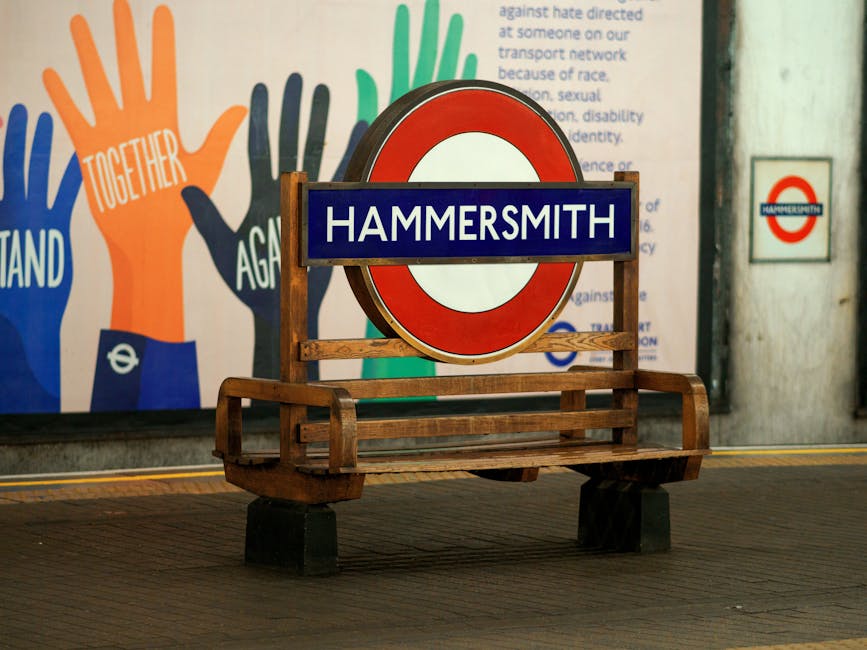
Brook Green is a district in west London, within the London Borough of Hammersmith and Fulham, lying between Hammersmith, Shepherd’s Bush and Kensington Olympia. The name is shared by both the locality and the green itself, a pleasant open space that forms a focal point for the area. Brook Green has long been associated with a residential character, with terraces, mansion blocks and side streets that sit close to major transport corridors while still keeping a quieter neighbourhood feel. Its position near Hammersmith means it sits within an urban setting shaped by rail, road and riverside connections, yet the immediate streets around the green are notably more domestic in scale.
The area is also known for its proximity to cultural and commercial landmarks. Olympia has been a major exhibition and events site for well over a century, while nearby Hammersmith provides theatres, shops and the river crossing points that connect this part of west London with routes further north and south. Brook Green itself has local pubs, schools and a mix of period housing that reflects different phases of west London development. The green provides a recognisable open space in an otherwise built-up landscape, and nearby routes link easily towards Kensington, Shepherd’s Bush and the wider borough. In this sense, Brook Green combines the calm of a neighbourhood centre with the practical advantages of a well-connected London location.
For people visiting or passing through, the area’s appeal lies in that balance between convenience and scale. It is close enough to larger destinations to feel connected, yet distinct enough to keep its own identity. The streets around the green, the established housing stock and the nearby venues all contribute to a place that feels settled and characterful rather than newly developed. Brook Green therefore stands out as a recognisable part of west London with a clear local identity and a useful central position.
Supporting mixed loads and single-piece moves

Not every moving job involves an entire house or a full office. Some customers only need a single large item taken from one place to another, while others need a mixture of boxes, bags and furniture moved together. A flexible van service works well in both cases because the load can be arranged around the real size of the job rather than around an oversized removal plan. That often makes the process easier to organise and easier to budget for.
For broader domestic or commercial transport, the removals page gives a general overview of moving support, while the movers page is useful if you want a more general description of relocation assistance. Where there is a need to move only selected belongings, these pages can sit alongside the more focused item-collection and van-transport options already described. The right choice depends on how much needs moving and how complex the handling will be.
A simple written summary is usually enough to start the process: the number of items, the type of furniture, any delicate pieces and whether dismantling is required. If there is a tight stairwell, limited parking or an awkward entrance, say so at the same time. That allows the move to be assessed properly and helps avoid unnecessary delays once the job begins. Good preparation is mostly about clarity rather than complexity.
Insurance, handling and safety
Careful transport is not just about getting items from A to B; it is also about making sure they are handled in a controlled way. Heavy or awkward pieces should be loaded securely, boxes should be stacked with care, and fragile items should not be placed where they can shift during the journey. Where the job requires it, we take a sensible approach to lifting, carrying and spacing so that the load remains stable and easier to unload.
The insurance and safety page is relevant if you want to review the general approach behind careful moving work, while the health and safety policy page covers the wider framework that supports safe working practices. These pages sit naturally alongside a practical van service because good moving work depends on reducing risk throughout the collection, journey and delivery stages.
Customers can help by identifying anything unusually heavy, fragile or valuable when they ask for a quotation. If a piece has detachable parts, needs blankets or protective wrapping, or should be carried upright, those details are useful. You do not need to over-explain; simply point out the items that require extra attention and the move can be planned accordingly.
Service choices for different moving needs
Because no two jobs are exactly alike, it helps to match the service to the load rather than to a headline description. A small residential move, a furniture collection and an office relocation all involve different combinations of loading, carrying and delivery work. Choosing the right option can prevent unnecessary cost and make the day run more smoothly. That is especially true when access is tight or the items need to be delivered in a specific order.
If you want to compare different parts of the business, the house movers page may suit a domestic move, while the house removalists page is another useful reference for residential relocation support. For users who want a service built around a vehicle and a practical moving hand, the moving truck page can help position that choice within the wider range of transport options.
It is sensible to think about the load in layers: what must be moved, what can be dismantled, what needs wrapping and what might be collected separately. That way the quotation is based on the actual work rather than assumptions. If you are unsure how to classify the move, describe it plainly and ask for advice on the most suitable type of van and lifting support.
Enquiry details and next steps

When you are ready to take the next step, keep the enquiry clear and practical. Include the collection point, the destination, the items involved and any access information that may affect loading or parking. If the job includes several separate pieces, grouping them in one message makes it easier to assess the transport size and handling time. That in turn helps produce a quotation that reflects the work rather than a rough guess.
For people who want a more direct route into the business, the contact us page is the natural place to use for a detailed enquiry, while the about us page gives a broader sense of the company’s public information. If you are still deciding whether the task is best treated as a furniture pick-up, a house move or a simple van load, those pages can sit alongside the service pages above to help you choose the most appropriate starting point.
When you are ready, request a quotation and outline the move in plain terms. Whether you need help with a single item, a small domestic load or a more involved office transfer, the aim is to make the process straightforward and properly matched to the job. If you already know what is being moved, you can send those details now and ask for a quotation for the work.